
More important than the specific medication is that it is part of a comprehensive treatment program that includes therapy and support. As preparations for the fifth revision of the alcoholism symptoms Diagnostic and Statistical Manual of Mental Disorders (DSM) are under way, this paper focuses upon changes proposed for the substance use disorders section. It briefly outlines the history behind the current nomenclature, and the selection of the term ‘dependence’ over ‘addiction’ in earlier versions of the DSM. These dual meanings have led to confusion and may have propagated current clinical practices related to under-treatment of pain, as physicians fear creating an ‘addiction’ by prescribing opioids. In part to address this problem, a change proposed for DSM-V is to alter the chapter name to ‘Addiction and Related Disorders’, which will include disordered gambling. The specific substance use disorders may be referred to as ‘alcohol use’ or ‘opioid use’ disorders.
However, the psychological aspects of dependence still require professional attention and support. The first step in recovery can feel overwhelming, but you don’t have to face it alone. Our medically supervised detox program provides a safe, supportive transition away from harmful substances.
The Recovery Village Kansas City
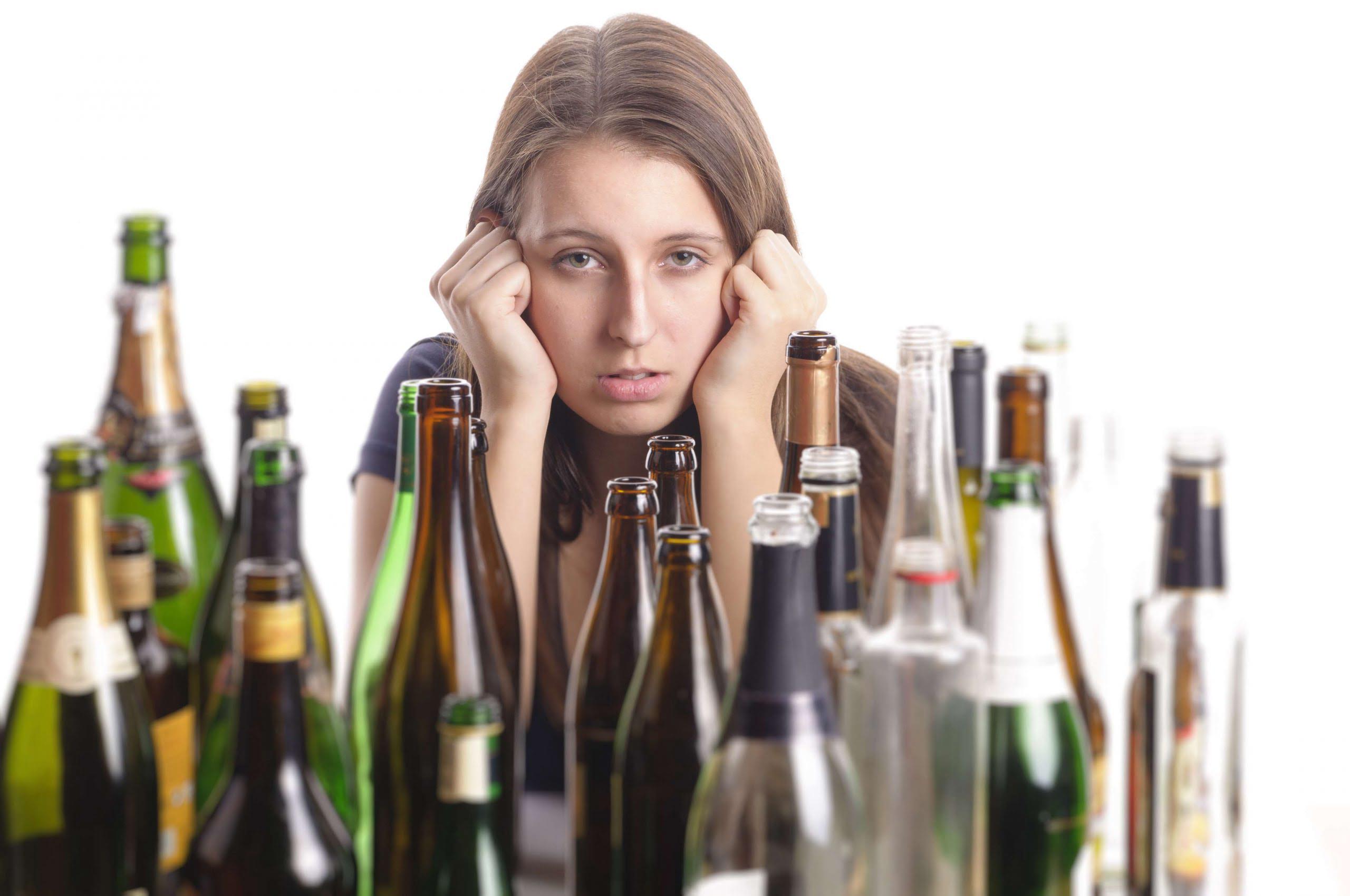
For people with addiction, using certain substances or engaging in certain behaviors stimulates the brain’s so-called reward center, releasing a chemical messenger called dopamine that signifies pleasure. But your brain doesn’t know how to deal with so much dopamine, so it copes by lowering its sensitivity. Cutting down on alcohol or other drugs is hard to do because repeated alcohol or drug use makes the body more dependent and changes the brain. Brain scans of people who are dependent on alcohol or other drugs often show changes in the areas of the brain that help you learn and remember and make decisions. What starts as occasional use of a drug or one prescription of pain-relieving medication, for example, can get out of control as time passes – especially in times of pain or stress.
- But because the body has adapted to its presence, a person may experience negative effects if they lower the dosage or stop taking it altogether.
- Addiction also involves a compulsive pattern of drug use despite harmful consequences.
- The symptoms created for DSM-III-R remain the same, except for the elimination of the ‘legal difficulties’ symptom and the addition of ‘drug craving’.
- Recognizing nitrous oxide addiction patterns can feel overwhelming, but effective treatment is available.
- Dr. Pickrell is a board-certified psychiatrist with interests in addiction and psychiatry.
Habits for Proper Mental Health
Stigma can affect the quality of care people receive, as healthcare providers may harbor unconscious biases that influence their treatment approaches. It can even manifest in public policies, leading to discriminatory practices and limited access to resources for those struggling with addiction. This is where support systems come into play, acting as a crucial lifeline in the recovery process. Whether it’s family, friends, support groups, or professional help, having a network of support can make all the difference.
When to seek help
This is where clients begin to rebuild confidence, rediscover stability, and create a strong foundation for long-term recovery. In this safe, structured environment, away from the pressures and triggers of daily life, clients have addiction vs dependence the time and space to fully focus on healing. Treatment lengths generally range from 30 to 90 days, depending on each individual’s unique needs and progress. After completing detox, many clients transition into our residential treatment program, the heart of recovery at Bella Monte Recovery Center.
Cognitive-Behavioral Therapy (CBT)
For addiction, support groups help individuals stay motivated and dedicated to recovery. For dependence, support groups offer practical advice and emotional support during withdrawal and beyond. They dispel feelings of isolation and provide the backing of a community that understands. For instance, someone who is on a prescription for pain medication may find that he needs increasing amounts of dosage for the medication to work. Some doctors may diagnose this as an increasing tolerance, or it might be disguised as the possible start of an addiction issue. Let’s examine how the world views addiction versus dependence in relation to substance abuse disorders.
The emotional and mental aspects of drug dependence can be just as debilitating as physical dependence. Physical dependence usually means the person’s body has become reliant upon the substance’s effects, causing unpleasant withdrawal symptoms when they try to stop using. Because addiction is a mental health disorder, several treatment options may be necessary.
Are Oxycodone and Percocet the Same Opioid Pain Medication?
It occurs when a person has difficulty stopping substance use or engaging in a behavior that provides some type of benefit. In this article, we look at the differences between addiction and dependence and explore definitions, examples, and differences in treatment. A person with an addiction has difficulty not using substances or doing rewarding activities, even if it is harming them.
- Contingency management employs incentives for maintaining sobriety and attending therapy, enhancing treatment effectiveness.
- Mental dependence, or psychological dependence, involves emotional and cognitive features like feelings of inability to cope with daily life without the drug and a strong desire to use it.
- There is some evidence that oxycodone in combination with other analgesics, including acetaminophen, may provide more pain relief and fewer side effects.
- Both medications can stop providing effective pain relief when taken long-term.
Physical Dependence: How the Body Adapts to Drugs
Understanding this distinction, drug dependence vs addiction, is crucial because it shapes the type of treatment and support someone may need. In this article, we’ll break down the differences, explore the signs of each, and explain how to build a lasting recovery. Additionally, it’s important to consider the impact of drug criminalization on treatment, as punitive approaches often exacerbate the stigma surrounding substance use disorders. This stigma can deter individuals from seeking help, further complicating their recovery journey. Understanding these factors is essential for developing comprehensive support systems that prioritize health and healing over punishment.
Someone in medication-assisted therapy may be able to participate in an outpatient program, attending daily, weekly, or monthly meetings to receive doses. Couples and family members who have been affected by addiction can benefit from family therapy to work through their issues, learn how to support each other in recovery, and receive support for themselves. Someone with impaired control may experience intense cravings and urges for a substance, which can lead to the inability to quit using the substance. Currently, the only behavioral addiction included in the Diagnostic and Statistical Manual of Mental Disorders, 5th edition, text revision (DSM-5-TR) main list is gambling disorder. Addiction causes cravings, compulsive behavior, and changes in the brain.
Physical dependence occurs when your body develops a tolerance to the drug, requiring more of it to achieve a certain effect. Your body will begin to adapt to the medication in as little as one week of taking regular doses. Professional guidance helps ensure that medications like Valium and Xanax are used appropriately and adjusted when needed.

A person can have dependence without addiction (for example, long-term prescribed opioids), addiction without strong physical dependence, or both together. Rolling Hills https://innottechindustries.com/2023/03/14/how-long-does-heroin-stay-in-your-system-urine/ Recovery Center in New Jersey provides evidence-based treatment and complementary holistic supports. The approach is patient-centered, practical, and integrated with medical and mental health care. Dependence is a chemical reaction that occurs when your body gets used to using a substance repeatedly. Because meth produces high amounts of dopamine, using it frequently will reduce the amount of dopamine normally produced by the body. When the drug is no longer used, the user will experience withdrawal symptoms due to the lack of dopamine that their body is developing on its own.

Leave a Reply